

Refinery & Petrochemical Gas Mixtures
Gas Mixtures for Accurate Process Control
Phoenix Gases supplies certified calibration and process gas mixtures that support safety, efficiency, quality control, and environmental compliance across refineries and petrochemical plants. From online analyzers to lab GC calibration and safety detector span gases, our blends are designed for stable measurements, consistent reporting, and audit-ready documentation.
Product Description
Refinery and petrochemical gas mixtures are precisely engineered standards used to calibrate analyzers, validate process measurements, and maintain safety and compliance in hydrocarbon facilities. Phoenix Gases supports mixture selection, concentration planning, and balance gas matching for reliable calibration routines. The result is dependable analyzer performance, reduced measurement drift, and higher confidence in operational and compliance decisions.
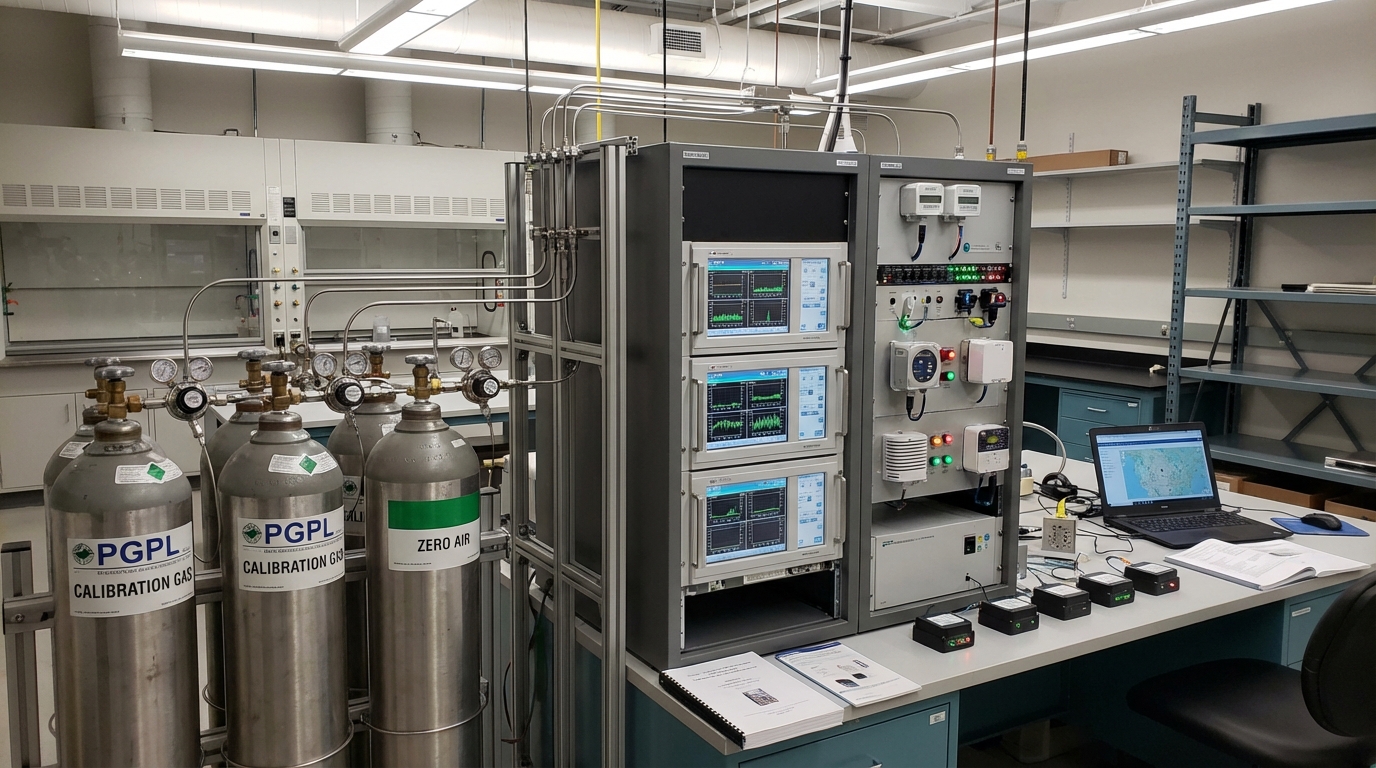
Key Applications & Our Expertise
We provide certified gas standards for the entire hydrocarbon processing value chain:
01Process Control & Optimization
Mixtures for monitoring and controlling cracking, reforming, hydrogen production, and purification processes.
02Emission Monitoring (CEMS)
Calibration gases for Continuous Emission Monitoring Systems to ensure environmental compliance (e.g., SO₂, NOx, CO, CO₂, O₂).
03Safety & Leak Detection
Calibration mixtures for toxic, combustible, and oxygen deficiency gas detectors throughout the facility.
04Quality Assurance & Product Certification
Certified reference materials for analyzing feedstock purity and final product quality.
Stable cylinder supply formats selected to protect mixture integrity and simplify plant calibration cycles.
Packaging & Supply Options
High-Pressure Calibration Cylinders
Phoenix Gases supplies refinery mixtures in high-pressure cylinders aligned to analyzer consumption and calibration frequency. We support valve and regulator compatibility checks and practical storage planning. This format is ideal for routine span checks, predictable inventory, and smooth procurement cycles in continuous operations.
Treated Cylinders for Reactive Components
For reactive gases or low-level analytes, treated cylinders help reduce adsorption losses and improve mixture stability. Phoenix Gases recommends the right treatment based on gas chemistry and target concentration. This supports trace calibration reliability and reduces drift during longer usage periods.
Multi-Component Blends to Reduce Changeovers
Multi-component blends can calibrate several channels with fewer cylinders. Phoenix Gases supports compatibility checks and grouping strategy based on your analyzer method, helping reduce changeovers and improve efficiency. This approach keeps calibration consistent while reducing handling efforts during maintenance routines.
Cylinder Bundles for Turnarounds and Large Sites
For multiple calibration points and shutdown periods, bundles and planned sets help avoid last-minute shortages. Phoenix Gases supports supply planning based on your site count and calibration schedule. This reduces interruptions and helps teams meet turnaround timelines without compromising calibration discipline.
All mixtures are supplied with clear labeling, composition details, and documentation support as applicable. Cylinder selection depends on stability requirements, concentration range, and analyzer method. Safety note: many components are toxic or flammable, so Phoenix Gases supports safe storage guidance, ventilation considerations, and handling readiness checks before dispatch and installation.
A focused portfolio designed for refinery analyzers, QA, safety, and compliance.
Sulphur Matrix Calibration Standards : Critical for sulfur recovery unit monitoring and total sulfur analysis. Phoenix Gases supplies precisely blended mixtures of H₂S, SO₂, COS, and mercaptans in suitable balance gases to support stable, defensible measurements.
Natural Gas Standards to ISO 6974, GPA, ASTM D1945 : Certified standards for calorific value (Wobbe index), hydrocarbon dew point, and composition analysis (C1 to C6+, CO₂, N₂, He). Phoenix Gases supports stable reporting and audit-ready QA outcomes.
Refinery Gas Analyser Standards :
Precisely calibrated standards per ASTM D1945 and D2163 for online and offline analyzers. Mixtures typically include H₂, N₂, O₂, CO, CO₂, and C1 to C5 hydrocarbons for consistent calibration performance.
LPG Standards : Certified mixtures for testing vapor pressure, composition, and impurities in LPG, including propane, butane, and mixes. Phoenix Gases supports standards aligned to GPA and ASTM expectations for QA and certification workflows.
Methanizer Calibration Standards : Low-level CO and CO₂ mixtures at ppm levels for calibrating methanizer-equipped gas chromatographs. Phoenix Gases supports stable low-level blends and balance gas selection aligned to your method requirements.
Petrochemical and Polymer Plant Standards : Impurity standards for polymer-grade ethylene and propylene, including CO, CO₂, O₂, H₂, acetylene, arsine, and phosphine. Supports olefins, aromatics, and downstream polymer production monitoring needs.
Combustible and Toxic Gas Standards : Includes LEL and UEL mixtures plus gases like H₂S, CO, NH₃, and Cl₂ for facility monitoring. Phoenix Gases supports safety calibration programs across detection points and operational zones.
Our Specialized Gas Standards Portfolio
This portfolio is built to support refinery and petrochemical teams across process control, QA, safety, and compliance. Phoenix Gases can recommend the right standard based on your analyzer type, target components, and measurement range. Share your method and desired balance gas, and we will align the portfolio selection to ensure stable performance, repeatability, and clean documentation for audits.
Ordering & Process
Our Ordering Process
01
Share Method, Components, and Range

Send your analyzer type, target components, concentration ranges, and balance gas preference. Include calibration frequency and site location. Phoenix Gases will validate feasibility and recommend the best mixture configuration for stability and measurement confidence.
02
Confirm Packaging and Documentation Needs

Phoenix Gases confirms cylinder type, treated options if needed, valve fitment, and lead time planning. We also align documentation expectations so approvals are smooth and repeat ordering becomes predictable for your procurement team.
03
Quotation, PO, and Dispatch Scheduling

After quotation confirmation and PO, Phoenix Gases schedules dispatch aligned to your receiving window. Safe packaging and shipment planning are coordinated so calibration programs stay uninterrupted and turnaround timelines remain protected.
04
Repeat Supply Planning for Continuity

Phoenix Gases supports repeat ordering based on shelf life and consumption rate. We can help forecast usage to avoid shortages during shutdowns and maintenance windows, ensuring calibration discipline remains consistent across operations.
B2B Conversion – Keep Your Analyzers Accurate with Phoenix Gases Refinery Mixtures
Process decisions, compliance reporting, and safety checks all depend on calibration accuracy. Phoenix Gases supports refinery and petrochemical buyers with stable blends, compatibility checks, treated cylinder options, and documentation support aligned to QA requirements. We help reduce analyzer drift, simplify calibration routines, and improve supply predictability across repeat orders. Share your components, ranges, and balance gas preference, and we will respond with a fit-for-purpose quotation.

Custom Formulation
Tailored mixtures with precise balance gases (N₂, Air, Ar, He) to meet your specific analytical method requirements.
Trace-Level Analytics
Expertise in blending low-ppm and ppb-level components for sensitive monitoring.
Certification & Traceability
All mixtures come with a detailed certificate of analysis (COA) traceable to NIST or other international standards, ensuring accuracy and reliability.
Our Commitment
Phoenix Gases supports refinery and petrochemical teams with reliable supply, technical accuracy, and documentation-ready standards.
FAQ
FAQs about Refinery & Petrochemical Gas Mixtures
What information should I share to order the right mixture?
Share the analyzer type, target gases, concentration ranges, and preferred balance gas. If you have an ASTM or method reference, include that too. Phoenix Gases uses this to validate feasibility, recommend packaging, and provide a quotation aligned to your calibration routine, compliance needs, and delivery timeline.
Do you support sulfur matrix standards for SRU monitoring?
Yes. Sulfur matrix standards are essential for SRU monitoring and total sulfur analysis. Phoenix Gases supplies mixtures including H₂S, SO₂, COS, and mercaptans in appropriate balance gases. We help align ranges and stability considerations to your analyzer method so measurements remain reliable and defensible.
Can you supply refinery gas analyzer and natural gas standards?
Yes. Phoenix Gases supports refinery gas analyzer standards and natural gas standards aligned to recognized frameworks such as ISO 6974 and ASTM methods. Share your required composition and reporting needs, and we will recommend a suitable standard that supports repeatable calibration and consistent QA performance.
Do you provide low-level CO and CO₂ standards for methanizers?
Yes. Phoenix Gases supplies low-level CO and CO₂ mixtures at ppm levels suitable for methanizer-equipped GC calibration. We help match the range and balance gas to your method so calibration remains stable and repeatable across your monitoring schedule.
Why should we choose Phoenix Gases for repeat supply?
Phoenix Gases focuses on stability, method matching, and certificate-backed traceability. We support custom formulation, trace-level blending, and consistent quality cylinder after cylinder. This reduces drift risk, improves repeatability, and helps your calibration and compliance records stay strong during audits and internal QA reviews.
Need a certified refinery mixture delivered on time?
Send your component list, concentration range, and delivery city today. Phoenix Gases will share a quick quotation and confirm the right standard, packaging, and lead time so your plant calibration schedule stays on track.